

Solution
Biological Control Methods for Cabbage Pests and Diseases
Cabbage serves as a popular worldwide crop and faces various pest and cabbage diseases and control threats which diminish both quantity and quality of yields. The management of cabbage pests and diseases plays essential roles in developing healthy cabbage plants who then produce successful crops. Crop protection for cabbage requires pest control through leaf-feeding prevention and natural weed controls and measures to sustain plant health. Through organic cabbage pest control combined with sustainable methods cabbage plants receive protection that simultaneously develops soil wellness and maintains environmental equilibrium. The article examines how to manage cabbage diseases and pests control.

Cabbage Pests
|
Tomato Beetle |
Spider Mites |
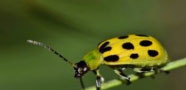
Cucumber Beetles |
Whiteflies |
Thrips |
Flea Beetles |
|
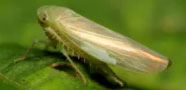
Leafhoppers cabbage pests |
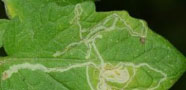
Leafminers cabbage pests |
Diamondback Moth |
Squash Bugs |
Cutworms cabbage pests |
Stink Bugs |
|
Armyworms cabbage pests |
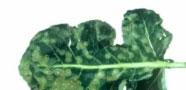
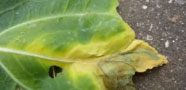
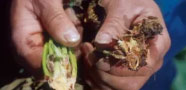
Cabbage Plant diseases
|
Black Rot |
Clubroot Cabbage Diseases and Control |
Downy Mildew |
Fusarium Wilt cabbage plant diseases |
Alternaria Leaf Spot in cabbage |
Anthracnose |
|
Powdery Mildew cabbage plant diseases |
Rhizoctonia Rot Cabbage Diseases and Control |
Sclerotinia Rot |
White Mold |
Bacterial Soft Rot cabbage plant diseases |
Cabbage Ring Spot cabbage diseases |
|
Xanthomonas Leaf Spot cabbage plant diseases |
Verticillium Wilt cabbage diseases |
Cabbage Nutrition
|
Soil Amendment and Growth Stimulation |
Phosphorus for Cabbage |
Nitrogen for Cabbage |

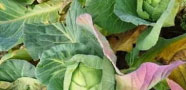
Organic Cabbage Pest Control
Target pest: leafhopper control, leafminer organic control, diamondback moth control in cabbage, armyworm pest control
Product: BT Thuricide
Active ingredient: Bacillus thuringiensis subspecies kurstaki (Btk)
For organic caterpillar control, BT Thuricide (caterpillar control pesticides) is highly effective against leafhoppers, leafminers, diamondback moths, and armyworms. For optimal results, apply bt organic insecticide directly onto the larvae while they are actively feeding on cabbage leaves. Timing is crucial; use treatments during peak pest activity and repeat applications after rainfall or irrigation. Enhancing pest control can involve integrating weed management methods to reduce pest harborage areas. Additionally, companion planting with pest-repelling plants such as garlic or thyme can minimize pest pressure. Sustainable pest management is achievable through this targeted and organic approach.
Target pest: organic control for aphids, organic spider mite control, cabbage whitefly organic control,thrips biological control, squash bugs organic control, stinkbugs control
Product: Beaveria WP
Active ingredient: Beauveria bassiana
Beaveria WP functions as an organic cabbage pesticide which successfully controls sap-sucking pests that include cabbage aphids, spider mites, whiteflies, thrips, squash bugs and stink bugs. Direct application of the product requires complete coverage on infested surfaces and the underside of cabbage leaves particularly because pests nest in these areas. Uniform applications of the product will lower pest numbers over time without affecting beneficial creatures. The use of fennel or dill plants as intercrops helps control pests by deterring them naturally. Combined strategies can help maintain a healthy cabbage crop organically.
Target pest: organic cucumber beetle control, organic flea beetle control
Product: Myco Pestop
Active ingredient: Metarhizium anisopliae
Myco Pestop functions as an organic solution against cucumber beetles along with flea beetles. Metarhizium anisopliae spores from fungi act as a controlling agent that infects and destroys damaging pests. The application of Myco Pestop happens best to active infestation areas in the early morning or late evening when pests show greater activity. Preventive strategies, such as using floating row covers or trap plants like radishes, can help keep these pests at bay. Combining Myco Pestop with such cultural controls ensures a stronger defense for your cabbage crops.
Target pest: cutworm biological control
Product: Met Zone
Active ingredient: Metarhizium anisopliae
Met Zone, which is an organic pesticide for cutworms, is specifically designed to combat cabbage worm control in cabbage fields. Apply it to the base of plants and surrounding soil where cutworms are likely to reside. Timing is critical—use Met Zone when cutworm activity is first noticed to limit damage to seedlings and young plants. Additionally, removing plant debris and tilling the soil can disrupt cutworm habitats and prevent reinfestation. Combining physical control measures with Met Zone application ensures an effective and sustainable approach to protect your cabbage plants.
Cabbage Leaf Diseases
Target Diseases: downy mildew organic treatment, alternaria leaf spot treatment, powdery mildew organic treatment, white mold treatment
Product: FloraEgis
Active Ingredient: Trichoderma harzianum
Organic solution FloraEgis effectively controls the leaf diseases of downy mildew and alternaria bacterial leaf spot of cabbage and powdery mildew and white mold. The active fungus Trichoderma harzianum performs two essential functions by taking over damaging pathogens and making plants more resistant to infections. Use the product as both a topical leaf spray and soil tincture by sufficiently covering affected leaves before it reaches the plant roots. For best results, apply preventively during humid or wet seasons when these diseases are most prevalent.
Cultural practices can enhance control—improve airflow around cucumber plants by pruning or proper spacing, and avoid overhead watering to reduce moist conditions that promote fungal growth. Removing and destroying infected leaves early also helps limit the spread of diseases. Integrating organic foliar fungicide with these preventive measures ensures a more robust cucumber crop and healthier plants.
Cabbage Diseases and Control
Target Diseases: cabbage clubroot disease treatment, cabbage fusarium wilt control, anthracnose treatment, rhizoctonia root rot treatment, sclerotinia stem rot treatment, cabbage ring spot treatment
Product: HarzShield
Active Ingredient: Trichoderma harzianum
HarzShieldd succeeds in controlling a comprehensive collection of soil-borne diseases which includes clubroot together with fusarium wilt and anthracnose among others including rhizoctonia rot and sclerotinia rot and cabbage ringspot. Trichoderma harzianum suppresses damaging soil pathogens through its ability to acquire available space and nourishment from them while activating the plant's defense mechanisms. Apply HarzShield as a soil drench or during transplanting to the root zone of your plants for early protection. For best results, use preventively or at the first signs of infection.
The application should be combined with crop rotation and organic soil amendments including compost to reduce pathogen buildup. Proper drainage combined with avoiding overwatering also minimizes favorable disease conditions. The risk of disease development can be minimized through proper drainage and avoiding excessive water supply because these conditions support disease proliferation. By using HarzShield along with these practices, you can protect your crops and promote healthier soil ecosystems.
Target Diseases: verticillium wilt treatment
Product: Cropium
Active Ingredient: Penicillium bilaiae
Cropium is an effective biological treatment for Verticillium cabbage wilting, a damaging soil-borne disease that affects many crops. The active organism, Penicillium bilaiae, works by improving the plant's nutrient uptake and creating unfavorable conditions for this harmful pathogen. Apply Cropium to the soil around the plant roots at planting or early in the season to prevent the spread of Verticillium wilt. Repeat applications may be required during the growing season to maintain protection.
To strengthen disease management, implement practices such as planting resistant crop varieties, ensuring proper crop rotation, and maintaining clean fields by removing cabbage plant diseases debris. Combined with Cropium, these efforts will minimize the risk of Verticillium wilt and help keep your plants healthy.
Target Diseases: bacterial soft rot control
Product: Bactonus
Active Ingredient: Bacillus safensis, Bacillus velezensis, and Pseudomonas chlororaphis
Bactonus serves as a biological remedy which fights bacterial soft rot disease that produces plant tissue decay and substantial yield reduction. This product uses Bacillus safensis and Bacillus velezensis and Pseudomonas chlororaphis bacteria to protect plants and suppress pathogenic bacteria development. Bactonus treatments should be applied either directly to the soil or given by foliar spray for the control and prevention of bacterial soft rot starting from the early disease stage or before bacterial infection. Be sure to thoroughly treat the soil where crop residue is present.
To support disease control, maintain good sanitation by removing infected plants and crop debris. Proper irrigation practices, such as avoiding prolonged soil saturation, also help prevent conditions that encourage bacterial soft rot. By combining Bactonus with these cultural practices, you can protect your crops from this challenging disease and ensure healthier yields.
Biostimulant For Cabbage Crop
Purpose: For crop growth, promotes crops nitrogen fixation
Product: Metilo
Active Ingredient: Methylobacterium
The biostimulant Metilo works as an effective compound that stimulates both cucumber plant growth and nitrogen fixation within crops. Bound inside Metilo are Methylobacterium ingredients that boost plant nitrogen absorption ability in the surrounding atmosphere leading to enhanced plant health. Use Metilo as both soil drench and foliar spray upon cucumber plants at their initial development period for optimized results. Regular applications throughout key growth phases ensure consistent support for nutrient uptake and plant vitality.
To optimize results, combine the use of Metilo with good agronomic practices. Regular watering needs to match with appropriate soil preparation to avoid nutrient losses while payments should limit amounts of excessive water. Additions of proper fertilization coupled with effective weed control methods will boost the biostimulant's advantages to enhance crop production and product quality. With Metilo, cucumber plants thrive naturally and sustainably.
Purpose: For soil health,helps break down organic matter and releases trapped nutrients
Product: Soil Vigor
Soil Vigor functions as a innovative solution that both decomposes biological matter while liberating bound nutrients to improve entire soil productivity. The special formulation of this product turns organic waste materials into usable plant nutrients which enable cucumber plants to acquire essential growth elements. Apply Soil Vigor as a soil treatment before planting or during crop growth to enhance the soil's fertility and microbial activity. Regular applications can significantly improve soil structure and nutrient cycling.
To further improve results, pair the use of Soil Vigor with practices such as crop rotation, mulching, and composting, which help add organic material to the soil. Reduced tillage can also preserve beneficial microbes activated by Soil Vigor. By integrating this product into your management practices, you can sustainably nurture healthier soils while enabling better crop performance.
Purpose: Phosphorus for cabbage
Product: Cropium
Root development receives essential support from phosphorus which helps cabbage plants through normal energy transfer and by keeping them vigorous. Cropium provides necessary phosphorus to cabbage plants that results in sturdy roots and prominent head development for improved yield production.
The crop fertilizer Cropium provides successful phosphorus delivery to cabbage plants. The well-formulated essence of Cropium contains adequate phosphorus which enhances root health while promoting general plant development to produce a successful harvest.
Biological Solutions for Organic Cabbage Pests,Diseases, and Nutrients Management
Organic cabbage diseases control and pest management systems are essential to keep cabbage healthy and to operate sustainable agriculture. The combination of organic cabbage pest control with biostimulants and soil enhancers enables growers to tackle cabbage maggot control issues without sacrificing soil health or ecological equilibrium.
Implementing crop rotation along with companion planting practices and proper sanitary measures together with these products strengthens cabbage crops against pests and reduces chemical usage. A holistic eco-friendly approach helps farmers defend their produce while maintaining constant yields and generates benefits for the environment which supports enduring agricultural outcomes.
Biological solutions offer significant benefits for managing cabbage diseases and pests, playing a crucial role in sustainable agriculture. Utilizing natural antagonists and beneficial organisms, such as Trichoderma spp. and predatory insects, enhances disease control and pest management while improving soil health. These eco-friendly methods reduce the need for chemical pesticides, promoting healthier ecosystems and safer produce.
Managing pests, diseases, and nutrients in organic cabbage cultivation requires a holistic approach that emphasizes sustainability and ecological balance. Biological solutions play a crucial role in this process. For pest control, beneficial insects like ladybugs, lacewings, and parasitic wasps can naturally reduce populations of harmful pests such as aphids, cabbage loopers, and diamondback moths.Utilizing biopesticides like Bacillus thuringiensis (BT) effectively targets specific pests without harming beneficial organisms or the environment. Disease management involves promoting healthy soil through crop rotation, composting, and the use of disease-resistant cabbage varieties. To ensure optimal nutrient availability, organic fertilizers such as compost, green manures, and bone meal provide essential nutrients while improving soil structure and fertility.
Adopting these practices not only protects the environment but also supports long-term agricultural productivity, potentially revolutionizing gardening and farming by fostering robust, resilient crops and reducing ecological impact.

Related Products
CONTACT US

Office 38/1502, No 660,Hanguang Rt., Changsha City, Hunan, China


