

Solution
Biological Control Of Wheat Pests And Diseases
There is need to promote sustainable wheat farming in order to feed the world populations while supporting the natural systems. However, pests and diseases are great threats to wheat yields, food security and farmer’s returns or income. Integrated pest and disease management is crucial to prvent the losses hence encouraging sustainable production practices to enhance stability of the wheat production system. Read on to learn more about the role of IPM as well as sustainable and organic farming methods that owners of wheat farms should adopt in order to have a healthier and more productive crop.
Wheat cultivation depends significantly on the implementation of strategic sustainable methods to control both wheat pests and diseases. The biological threats which affect wheat cultivation include both insect pests such as Hessian Fly and Wheat Aphid and fungal diseases such as Powdery Mildew and Fusarium Head Blight which endanger the yield and quality of these crops. Current wheat growers require essential integrated wheat pest control systems. Farmers achieve crop protection along with sustainable soil health by implementing cultural methods with biological controls and non-harmful products. This complete manual presents complete strategies alongside precise items and natural agricultural methods which assist farmers in fighting wheat diseases and pests to protect their plants and improve their growing output.
Wheat Pests
|
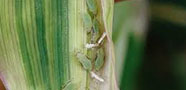
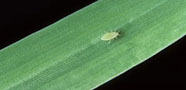
Wheat Aphid |
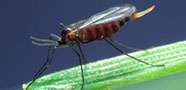
Hessian Fly |
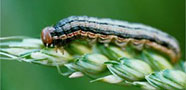
Armyworm |
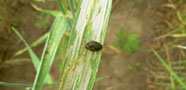
Cereal Leaf Beetle |
Russian Wheat Aphid |
Bird Cherry-Oat Aphid |
|
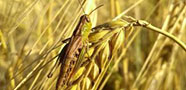
Grasshoppers |
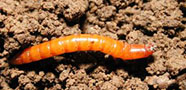
Wheat Wireworm |

Wheat Diseases
|
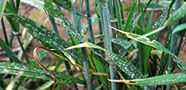
Powdery Mildew (Blumeria graminis f. sp. tritici) |
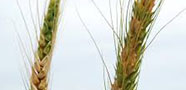
Fusarium head blight |
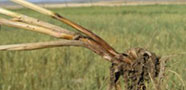
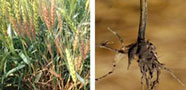
Foot Rot (Fusarium spp., Bipolaris sorokiniana) |
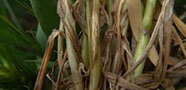
Sharp Eyespot |
Wheat Nutrition
|
Nitrogen-fixing Biostimulant in Wheat |
Fixing High Phosphorus in Soil |
Soil Microorganisms Improvement |
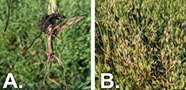
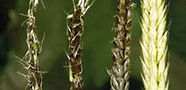

Organic Wheat Pest Control
Target Pests: Hessian Fly Control in Wheat, Armyworm Control in Wheat
Recommend Product: BT thuricide
Active Ingredient: Bacillus thuringiensis (BT)
Pest control operations for wheat agriculture must focus specifically on Hessian Fly and Armyworm populations because healthy wheat plants and improved output depend on this control. An optimal pest management system unites cultural approaches with mechanical controls through a combination of beneficial insect implementation and trap usage for early detection of pests. Farmers who implement clean fields alongside diversified crop systems will establish a healthier environment that resists pest infiltrations thus fostering sustainable wheat cultivation.
BT Thuricide becomes the key element for your IPM strategy to reach maximum potential. Bacillus thuringiensis (BT) in this product works as a bacterial element against Hessian Fly and Armyworm while protecting environment-friendly organisms. BT Thuricide provides ecological advantages together with accurate pest protection and sustainable wheat health benefits. You can protect your agricultural sustainability through pest management with BT Thuricide because it creates a self-resistant ecology that keeps wheat crops healthy while sustaining productive agricultural systems. The implementation of BT Thuricide stands as an essential element in your organic wheat pest control practices which will deliver healthier crops alongside superior yields.
Target Pests: Russian Wheat Aphid Control, Aphid Control in Winter Wheat,Bird Cherry Oat Aphid in Wheat
Recommend Product: Beveria WP
Active Ingredient: Beauveria bassiana
The control of Wheat Aphid, Russian Wheat Aphid along with Bird Cherry-Oat Aphid helps to preserve wheat plant health and achieve optimal wheat yields. Wheat growers need to use integrated pest management (IPM) by combining cultural practices that include crop rotation and useful insect introductions with field sanitation routines. The detection and management of pests require mechanical controls which include trapping methods along with correct planting practices together with continuous observation. Farmer practices which control both pest populations and maintain pure fields with varied crops actively defend wheat fields against pests which enables beneficial growth patterns for wheat while supporting sustainability efforts.
Your IPM plan will receive important benefits when you introduce Beveria WP into the strategy. Beveria WP incorporates Beauveria bassiana fungus as its active ingredient which attacks Wheat Aphid as well as Russian Wheat Aphid and Bird Cherry-Oat Aphid effectively but does not affect beneficial insect species or the natural environment. Beveria WP provides three essential advantages as an eco-friendly solution which protects various types of pests and builds permanent wheat durability. Your pest protection strategies should include Beveria WP because it builds wheat resistance while strengthening plant health which creates a stable agricultural environment for long-term harvest success. Your organic wheat pest control should include Beveria WP because it enables you to produce stronger crops with better yields.
Target Pests: Wireworm Control in Wheat
Recommend Product: MET ZONE
Active Ingredient: Metarhizium anisopliae
Wheat crop pest control operative to target Wheat Wireworm requires emphasis so farmers can sustain healthy wheat plant growth and achieve optimum production levels. An integrated pest management (IPM) system needs to include cultural measures like crop rotation along with frequent field maintenance along with useful insect introductions. Early pest population detection relies on mechanical controls which include traps as well as proper planting practices and sustained monitoring. Sustainable wheat growth and long-term viability occur when farmers maintain clean fields with diverse crop systems resulting in natural pest suppression.
MET ZONE provides additional strengthening capabilities for your IPM plan. The product utilizes natural Metarhizium anisopliae fungus which attacks Wheat Wireworms yet preserves healthy insects and ecological systems. MET ZONE delivers three main advantages which combine ecological sustainability and exact pest control for sustainable wheat health development. The integration of MET ZONE in your pest management strategy builds naturally resistant wheat crops which create sustainable agricultural productivity through a balanced ecosystem. The implementation of MET ZONE forms an essential part of your organic wheat pest management strategy for creating naturally better yields and healthier agricultural crops.
Target Pests: Cereal Leaf Beetle Control in Wheat, Grasshoppers in Wheat
Recommend Product: Myco Pestop
Active Ingredient: Metarhizium anisopliae
Vital to wheat crop welfare and productivity stands the proper management of Cereal Leaf Beetle and Grasshopper pests. An optimal Integrated Pest Management (IPM) approach unites three pest control methods: crop rotation with different plants and field cleanliness rules and attracting beneficial wildlife into farming areas. Mechanical pest control techniques involving the placement of traps together with proper planting methods and regular pest surveillance help identify infestations so populations can be controlled effectively. Farmers who build up a sustainable agricultural environment with diverse cropping practices can naturally fight off major pest infestations that promote strong wheat plants and maintain sustainable farming approaches.
Making use of Myco Pestop is an excellent way to strengthen your present IPM framework. Metarhizium anisopliae which functions as a specific natural fungus against Cereal Leaf Beetles and Grasshoppers exists within this product while maintaining ecological safety for beneficial insects and their environment. The advantages of Myco Pestop include its environment-friendly properties together with accurate pest control capabilities which strengthen wheat health over the long term. The implementation of Myco Pestop in your pest management plan gives you targeted pest control effectiveness together with a strengthened agricultural system. Implement Myco Pestop as your main weapon in organic pest control for wheat crops to obtain better harvests alongside stronger crop health.
Wheat Leaf Diseases
Target Disease: Powdery Mildew in Wheat
Recommend Product: FloraEgis
Active Ingredient: Trichoderma harzianum
The control of diseases especially Powdery Mildew stands as a vital factor for protecting wheat crop health and productivity. An Integrated Disease Management (IDM) system must combine three important cultural practices of crop rotation with disease-resistant wheat selections and field hygiene measures. Early disease outbreaks require both regular monitoring and biological controls which include beneficial microorganism introduction for successful disease management. A clean diverse agricultural environment reduces severe disease infestations naturally which leads to vigorous wheat growth because farmers implement sustainable farming practices.
The implementation of FloraEgis as an IDM strategy advancement tool is recommended. FloraEgis supplies Trichoderma harzianum which serves as a fungus that controls Powdery Mildew but leaves essential microorganisms and the environment unaffected. FloraEgis offers environmental safety as part of its features and delivers accurate disease suppression alongside sustained support for wheat plant wellness. Using the disease management plan integration of FloraEgisenables both disease control effectiveness and balanced ecosystem resilience. You should make FloraEgis an essential part of your organic disease control system for wheat to obtain healthier crop yields.
Wheat Diseases and Treatment
Target Pests: Fusarium Head Blight in Wheat, Fusarium Foot Rot Wheat
Recommend Product: HarzShield
Active Ingredient: Trichoderma Harzianum
The healthy maintenance of wheat productivity requires proper control over diseases such as Usarium Head Blight and Foot Rot. An IDM plan needs to combine three essential cultural elements which are crop rotation methods with disease-resistant wheat varieties and proper field cleaning practices. Early disease outbreak detection deserves both biological control methods involving beneficial microorganisms along with consistent monitoring for disease management purposes. A diverse agricultural setting will help farmers reduce serious diseases automatically which supports wheat health alongside sustainable farming methods.
HarzShieldd offers an advantageous addition to your existing IDM method. The fungal species Trichoderma harzianum within this product attacks Usarium Head Blight and Foot Rot successfully without damaging beneficial microorganisms in the environment. The main benefits of HarzShield base on its environmentally safe nature and its controlled wheat pest and disease management and its ability to enhance sustained wheat health. The implementation of HarzShield in your disease management plan enables both effective disease control of specific targets and resilience of agricultural ecosystems. HarzShield stands as a fundamental element for your wheat disease control measures that leads to healthier crops together with enhanced yield potentials.
Biostimulants in Wheat
Purpose: Enhance Wheat Growth Through Sustainable Nitrogen Fixation
Recommend Product: Metilo
Active Ingredient: Methylobacterium
Wheat production greatly benefits from biostimulants that drive better plant development while enabling optimal nutrient absorption. Biostimulants achieve their main function through biological nitrogen fixation to improve soil nitrogen availability. Wheat plants obtain both better development and higher yields through this natural process while farmers decrease their dependency on chemical fertilizers because of these sustainable farming techniques.
The wheat cultivation process reaches a new level of success through Metilo. Methylobacterium works as a beneficial microorganism within this product because it transforms atmospheric nitrogen into plant-accessible forms while accomplishing biological nitrogen fixation. The application of Metilo leads users to receive several advantages such as better soil quality and healthier plants with stronger defenses against adverse growing conditions and better crop production. Your wheat production gains sustainability through Metilo usage which leads to both strong wheat plants and long-lasting crop resistance. Using Metilo as your main biostimulant strategy will provide best wheat outcomes and sustainable farming results in the long run.
Purpose: Enhance Wheat Growth by Improving Inorganic Phosphorus Uptake
Recommend Product: Cropium
Active Ingredient: Penicillium Bilaiae
Plant growth in wheat benefits from biostimulants which increase nutrient absorption capacity of the plant from soil sources. The vital functionality of biostimulants enables plants to absorb inorganic phosphorus because this essential nutrient helps roots develop while providing energy transfer and overall plant health benefits. Biostimulants assist wheat crops in improved phosphorus uptake which strengthens the plants and makes them resilient alongside increased yield production through lower chemical fertilizer needs.
Cropium serves as the key solution to boost wheat cultivation programs. Penicillium bilaiae the beneficial fungus present in this product helps plants better absorb needed inorganic phosphorus from their soil environment. The fertilizer Cropium offers several benefits for soils because it improves fertility and enhances roots and boosts nutrient use and helps plants withstand environmental challenges. Your wheat farming operations benefit from sustainable agriculture practices when you include Cropium as part of your wheat cultivation plan to achieve vigorous crops with high yields. Cropium deployment should be your foundation of biostimulant strategy to optimize wheat vegetative development and secured agricultural productivity through time.
Purpose: Strengthen Soil Health for Sustainable Wheat Cultivation
Recommend Product: Soil Vigor
Active Ingredient: Blended microbes including bacillus and trichoderma
Health and productivity of wheat crops heavily depend on the implementation of soil amendments. Wheat growth and yield benefits from improved soil structure and better nutrient availability and microbial enhancement leading to sturdy plant development. Sustainable agricultural practice depends on solid soil care strategies that strengthen soil vitality and minimize the use of synthetic fertilizers.
Your wheat cultivation will benefit from Soil Vigor incorporation into the field. The product combines Bacillus together with Trichoderma species as microbial components that team up to improve soil well-being. Soil Vigor helps recycling nutrients while better decomposing organic matter through its pathogen-suppressing capabilities which create conditions where wheat roots can flourish. The Soil Vigor benefits wheat production through better structure of soil and more efficient nutrient acquisition and stronger pest resistance and disease protection and enhanced ability to withstand environmental hazards. The adoption of Soil Vigor fulfills the need to develop balanced fertile soil ecosystems which lead to the growth of robust high-yielding wheat crops. Soil Vigor should be an essential part of your soil amendment strategy to build sustainable wheat cultivation practices.
Wheat Pest and Disease Management: Biological Solution
The protection of crop health depends heavily on effective wheat pests and diseases management to obtain high yields in sustainable agriculture systems. Implementing integrated pest management strategies which unite cultural practices and biocontrols with safe products while conducting regular checks helps farmers successfully defend their wheat fields from damage by Hessian Fly and Wheat Aphids and Fusarium Head Blight and Powdery Mildew. Effectively wheat pest control through natural solutions requires BT Thuricide alongside Beveria WP with Myco Pestop together with the disease-control tools FloraEgis and HarzShield. These methods with biostimulants and soil amendments build resilient soils while creating wheat crops that show better resistance against diseases and become stronger. The systematic prevention of wheat diseases in addition to pests prevents harvest failures while building a system for future generations to grow wheat sustainably.
Related Products
CONTACT US

Office 38/1502, No 660,Hanguang Rt., Changsha City, Hunan, China


