

Solution
Managing Soybean Pests and Diseases for Sustainable Yields
Good soybean pest and disease control is necessary to grow soybeans well and keep them healthy. Integrated methods from today give the best results by using both natural approaches and widespread field surveys for soybean diseases and their control, meet organic farming standards and save the environment. Biological soybean pest control and stimulating agents help modern growers manage risks organically, depend less on chemicals and strengthen their soybean crops. In the blog, we will talk about soybean leaf diseases too.
Soybean Pests
|
Soybean Aphid (Aphis glycines) |
Soybean Cyst Nematode (Heterodera glycines) |
Bean Leaf Beetle (Cerotoma trifurcata) |
Japanese Beetle (Popillia japonica) |
Corn Earworm (Helicoverpa zea) |
Green Cloverworm (Hypena scabra) |
|
Cutworms (various species, e.g., Agrotis ipsilon) |
Twospotted Spider Mite (Tetranychus urticae) |
Lesser Cornstalk Borer (Elasmopalpus lignosellus) |
Threecornered Alfalfa Hopper (Spissistilus festinus) |
Mexican Bean Beetle (Epilachna varivestis) |
Soybean Looper (Pseudoplusia includens) |
|
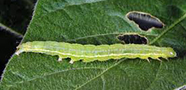
Velvetbean Caterpillar (Anticarsia gemmatalis) |




Soybean Diseases
|
Phytophthora Root Rot (Phytophthora sojae) |
Rhizoctonia Root Rot (Rhizoctonia solani) |
Fusarium Root Rot |
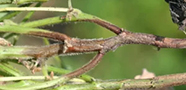
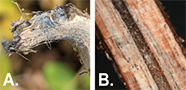
Brown Stem Rot |
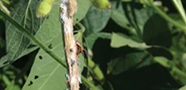
Stem Canker |
White Mold |
|
Downy Mildew |
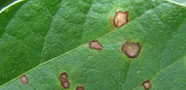
Frogeye Leaf Spot |
Septoria Brown Spot |





Soybean Nutrition
|
Nitrogen for Soybeans |
Phosphorus for Soybean |
Potassium and Silicon Nutrients for Soybeans |
Soil Amendment and Growth Stimulation |


Organic Soybean Pest Control
Target Pests: Earworm, Green Cloverworm, Lesser Cornstalk Borer, Soybean Looper, Velvetbean Caterpillar
Recommended Product: BT Thuricide
Active Ingredient: Bacillus thuringiensis (BT)
A proper approach to Earworm, Green Cloverworm, Lesser Cornstalk Borer, Soybean Looper and Velvetbean Caterpillar ensures the required yield and quality of soybeans. Setting the stage for sustainable pest management is a technique called IPM which includes cleaning the fields, changing the cultivation and quickly detecting larvae. Powered by Bacillus thuringiensis, BT Thuricide attacks and disrupts the larvae of damaging insects without affecting helpful insects or the soil. The use of this product in soybean IPM supports the certification status of organic farmers, makes the plants healthier and protects the environment.
Target Pests: Soybean Aphid, Bean Leaf Beetle, Twospotted Spider Mite, Mexican Bean Beetle
Recommended Product: Beaveria WP
Active Ingredient: Beauveria bassiana
Looking after soybean crops by managing Soybean Aphids, Bean Leaf Beetles, Twospotted Spider Mites and Mexican Bean Beetles ensures their good health and high yields. Scouting for pests, letting natural predators live in the field and using chemicals sparingly is a sustainable way to grow crops. The pest-killing, biocontrol agent used by Beaveria WP is the safe-to-pollinators species Beauveria bassiana which infects and kills its intended victims. When pests make contact, the biological action is set in motion to keep them under control and protect nature. Using Beaveria WP (soybean aphid insecticides) is an advantage of IPM because it encourages healthy crops, solid organic certification practices and environmentally friendly methods to control insects.
Target Pests: Cutworms
Recommended Product: MET ZONE
Active Ingredient: Metarhizium anisopliae
Many early-season problems for soybeans are due to cutworms which have a strong tendency to destroy soybean seedlings by cutting them off at the base. You should act quickly and precisely to reduce the loss of yield and prevent another planting. Formulated with Metarhizium anisopliae, a natural fungus, MET ZONE gives an easy eco-friendly strategy. When the fungus comes into contact, it passes through the cutworm’s covering and destroys the pest inside, causing no effects on the environment or insects that do good. Integrated into an IPM framework with practices such as proper residue management and soil monitoring, MET ZONE ensures sustainable pest control and supports robust, early-stage soybean development.
Target Pests: Japanese Beetle
Recommended Product: Myco Pestop
Active Ingredient: Metarhizium anisopliae
Japanese Beetles feed on the soybean plant’s leaves, causing them to become hollow and reducing the plant’s photosynthesis which impacts crop results. Begin controlling them as soon as possible to avoid an extensive outbreak of defoliation. Metarhizium anisopliae is found in Myco Pestop, causing fungal colonization to kill beetles while providing a simple and safe way to manage them. Being suitable for IPM means it can help control pests with less poisoning of the environment. The use of Myco Pestop makes pest control more sustainable and ensures that potential enemies of beneficial insects do not survive.
Soybean Nematode Control
Target Pests: Soybean Cyst Nematode
Recommended Product: Nema Pro / Nema Promax
Active Ingredient: Paecilomyces lilacinus
One big danger for soybean pests and diseases is the Soybean Cyst Nematode (SCN) which mostly harms the roots, slows down growth and cuts the plant’s ability to collect nutrients. If you manage the problem well early on, it will help stop lasting issues and encourage healthy roots in your plants. Thanks to Paecilomyces lilacinus in Nema Pro and Nema Promax, plant parasite eggs and larvae do not get an opportunity to grow, because it does not affect the soil’s good bacteria and fungi. When paired with different tools, these products help to control nematodes so crop damage is avoided. Regardless of whether an operation is organic or not, using this method means farms can have healthy crops and nourished soil for years.
Soybean Leaf Diseases
Target Diseases: Downy Mildew
Recommended Product: FloraEgis
Active Ingredient: Trichoderma harzianum
When not handled right away, Downy Mildew in soybean leads to leaves falling early and low photosynthesis, resulting in a reduction in yields. The presence of Trichoderma harzianum in FloraEgis helps plants by populating the root zone and part of the leaves, whooshing away pathogenic fungi and boosting a plant’s defenses. Using this natural approach allows IDM to include it in organic systems in particular. FloraEgis helps crops become more vigorous, enhances their immunity to diseases, supports their photosynthesis and makes soybean plants able to withstand challenges in the field.
Common Soybean Diseases and Their Control
Target Diseases: Phytophthora Root Rot, Rhizoctonia Root Rot, Fusarium Root Rot
Recommend Product: HarzShield
Active Ingredient: Trichoderma Harzianum
Proper soil care and a meek crop can help protect the soybean plant from Phytophthora Root Rot, Rhizoctonia Root Rot and Fusarium Root Rot. By turning the crops that grow, choosing resistant varieties and looking at how the soil drains, an organization can apply integrated disease management. When you spot signs of disease early and react with biological controls, you can suppress the problem effectively. HarzShield uses Trichoderma harzianum fungus in the roots, allowing it to successfully prevent harmful fungi in the soil without disrupting the health of the ecosystem. Including HarzShield in your program sees soybeans grow naturally with stronger immunity to diseases, while requiring less usage of chemical fungicides.
Target Diseases: Brown Stem Rot, Stem Canker, Frogeye Leaf Spot, Septoria Brown Spot
Active Ingredient: Bacillus subtilis or Bacillus velezensis
Diseases such as Brown Stem Rot, Stem Canker, Frogeye Leaf Spot and Septoria Brown Spot should be carefully handled to maintain the well-being of soybeans and produce the highest possible yield. An efficient way to manage diseases in crops is by rotating the fields, selecting disease-resistant varieties, sanitizing the fields and checking for any signs of disease early. Alternative biology tactics are environmentally friendly and lead to less chemical use. Bacillus subtilis is the active ingredient and it protects plants by settling on them and making natural antibiotics that drag down harmful fungi and bacteria. By using this biological agent in your program, you protect the crops and also contribute to environmental sustainability.
Biostimulant Treatment in Soybean
Purpose: Enhance soybean growth through sustainable nitrogen fixation
Recommend Product: Metilo
Active Ingredient: Methylobacterium
It is essential to help crops grow well and to improve nitrogen fixation to ensure healthy soybeans during challenging diseases like White Mold. This way, crop management helps farmers improve the quality of the soil and grow useful microorganisms which makes plants tougher against threats. Using biostimulants early can boost the growth and defense of plants. Metilo includes Methylobacterium which helps to enhance nitrogen fixation and stimulate growth in plants, all without harmful effects on the environment. With Metilo included in your farming activities, your soybean plants become stronger and the process supports more sustainable farming.
Purpose: Soybean growth and promotes crops to absorb potassium and silicon from the soil
Active Ingredient: Bacillus mucilaginosus
It is only possible to achieve a healthy yield if nutrient uptake is efficient for soybeans. The biostimulant helps plants quickly take in important nutrients which makes their structures strong and lowers stress on them. Adding the beneficial bacterium to your farm lets natural nutrients take over, meaning you don’t need to use chemical fertilizers. It grows in the root area, dissolving minerals that help plants take them up more easily. This product boosts growth in soybeans and helps make farming more sustainable.
Purpose: Enhance soybean growth by improving inorganic phosphorus uptake
Recommend Product: Cropium
Active Ingredient: Penicillium bilaiae
Getting phosphorus into soybean roots is necessary for the plant’s growth, vigor and energy flow. It means adding substances to improve the soil and support the activities of helpful microbes. Penicillium bilaiae found in Cropium solubilizes inorganic phosphorus, absorbing it in the soil and protecting the microbes in the soil. Using Cropium boosts soybean health and quality, helps the environment by decreasing the need for artificial fertilizers and enables the use of better growing methods.
Purpose: Strengthen soil health for sustainable soybean cultivation
Recommend Product: Soil Vigor
Active Ingredient: Blended microbes including Bacillus and Trichoderma
Having healthy microorganisms in the soil helps soybeans thrive and ensures the continued production of crops. Soil Vigor adds to the soil certain strains of Bacillus and Trichoderma which help to strengthen soil structure, increase nutrients and stop diseases. With this biological soil amendment, roots grow vigorously, more nutrients are absorbed and plants find it easier to defend themselves. By using Soil Vigor in your farming routine, soybeans become more resistant and the farms become more eco-friendly.
Soybean Disease and Pest Management - Biological Solution
Plenty of soybean pest and diseases exist that put soybean crops at risk of poor health and lower output. Significant loss of crops may happen if pests, including caterpillars, beetles, aphids, mites, nematodes and cutworms, are not handled. Root rots, leaf spots, downy mildew and problems affecting stems are all diseases that lower how healthy and fruitful plants grow.
Soybean diseases and their control, is another key to sustainable yields in addition to soybean pest control. By doing timely scouting, shifting crop rotation and applying safe biological products, these strategies become powerful. The chemicals Bacillus thuringiensis, Beauveria bassiana and Metarhizium anisopliae solve pest issues, but they do not harm useful insects. Trichoderma harzianum and Bacillus subtilis as biocontrol agents help plants stay healthy, thus plants need less fungicide when grown.
Along with soybean pests and disease control and soybean leaf diseases, Methylobacterium, Penicillium bilaiae and good soil microbes help the plant take in nutrients, form strong roots and cope better with stress. When these methods are combined, soybeans are naturally safeguarded, produce a good harvest and support sustainable farming.

Related Products
CONTACT US

Office 38/1502, No 660,Hanguang Rt., Changsha City, Hunan, China


