

Solution
Corn Pests and Diseases Management for Sustainable Agriculture
The corn production is usually at risk from a large array of pests and diseases that may considerably diminish yield and calibre of the crop, and soil vitality over the long haul. The existence of a high demand for sustainable and organic ways of farming suggests that an integrated solution is required in solving such problems. This guide is all concerned with extensive measures for dealing with corn pests and diseases with particular emphasis on the important role of both prevention and true intervention.
Under the scope of organic pest control products, growers are directed to control pests like worms, borers, beetles and nematodes by sparing the beneficial organisms and keeping ecological balance. Accentuating crop rotation, judicious choice of seeds, sanitizing the field, and immediate response to pest invasion, this guide highlights the worth of biological products as integral tools in IPM programs.
No less important is the sphere of corn diseases curing, where constant watchfulness for blights, rots, rusts and such common pathogens is required. The use of disease-resistant hybrids along with advanced biologic fungicides and beneficial microbes offers a way to repeatable control of diseases without the need of regressive chemical control.
This resource collates the most up to date recommendations regarding organic solutions to pests and diseases, with detailed profiles of products that have proven effective and their active ingredients. Regardless of whether the aim is to improve corn growth or strengthen soil health or safeguard from the most prolific pests and illnesses, the guide provides sustainable practices for strengthening vigour, yield, and the sustainability of corn production systems. In this blog below, we will talk about organic pest and disease control.
Corn Pests
|
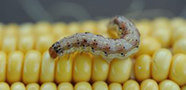
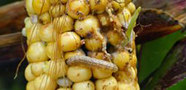
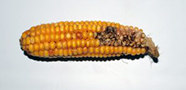
Corn Earworm (Helicoverpa zea) |
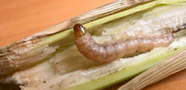
European Corn Borer (Ostrinia nubilalis) |
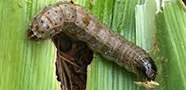
Fall Armyworm (Spodoptera frugiperda) |
Western Corn Rootworm (Diabrotica virgifera virgifera) |
Northern Corn Rootworm (Diabrotica barberi) |
Southern Corn Rootworm (Diabrotica undecimpunctata howardi) |
|
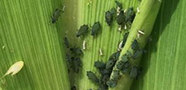
Corn Leaf Aphid (Rhopalosiphum maidis) |
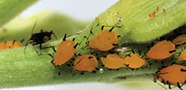
Corn Root Aphid (Anuraphis maidi-radicis) |
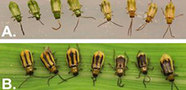
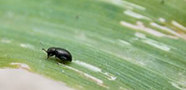
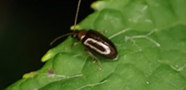
Corn Flea Beetle (Chaetocnema pulicaria) |
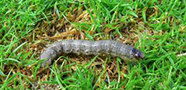
Black Cutworm (Agrotis ipsilon) |
Common Stalk Borer (Papaipema nebris) |
Corn Sap Beetle (Carpophilus dimidiatus) |
|
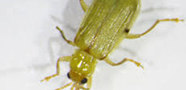
Corn Silk Beetle (Meligethes aeneus) |
Corn Diseases
|
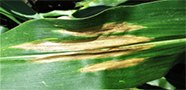
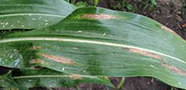
Northern Corn Leaf Blight (Exserohilum turcicum) |
Southern Corn Leaf Blight (Bipolaris maydis) |
Gray Leaf Spot (Cercospora zeae-maydis) |
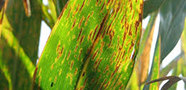
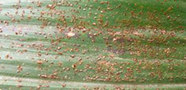
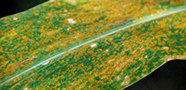
Common Rust (Puccinia sorghi) |
Southern Rust (Puccinia polysora) |
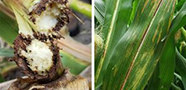
Anthracnose Leaf Blight and Stalk Rot (Colletotrichum graminicola) |
|
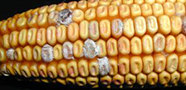
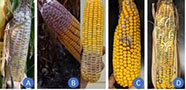
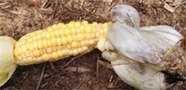
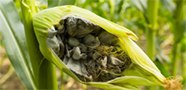
Fusarium Ear Rot (Fusarium verticillioides) |
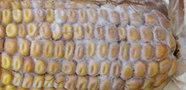
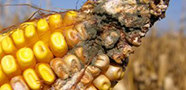
Diplodia Ear Rot (Stenocarpella maydis) |
Gibberella Ear Rot (Gibberella zeae) |
Aspergillus Ear Rot (Aspergillus flavus) |
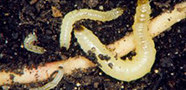
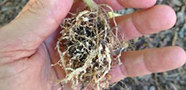
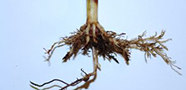
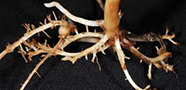
Corn Root Knot Nematode |
Corn Cyst Nematode |
|
Corn Lesion Nematode |
Corn Nutrition
|
Nitrogen for Corn |
Phosphorus for Corn |
Potassium and Silicon Nutrients for Corn |
Soil Amendment and Growth Stimulation |
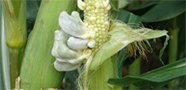
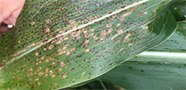

Organic Corn Pest Control
Target Pests: Corn Earworm,European Corn Borer,Fall Armyworm,Common Stalk Borer,Lesser Cornstalk Borer
Recommend Product: BT thuricide
Active Ingredient: Bacillus thuringiensis (BT)
Effective management of such major pest as Corn Earworm, European Corn Borer, Fall Armyworm, Common Stalk Borer, and Lesser Cornstalk Borer spells contribution to the quality of watermelon crops and increasing organic produce. A set of actions that comprises crop rotation; wise choice of seed stock; and maintaining healthy growing environments to minimize pest vulnerabilities forms the basis of an IPM approach. Early intervention is a foremost condition for positive outcome, which can be created through rapid detection and use of biological treatments. This product BT Thuricide uses Bacillus thuringiensis to attack larval pests without harming other wildlife or disrupt the environmental balance. Implementation of BT Thuricide into your IPM program promotes sustainable pest control and development of high-quality watermelons, as well as environmentally sound pest control.
Target Pests:Corn Leaf Aphid,Corn Root Aphid,Corn Silk Beetle
Recommend Product: Beveria WP
Active Ingredient: Beauveria bassiana
Pests including Corn Leaf Aphid, Corn Root Aphid, and Corn Silk Beetle continually compromise on watermelon crop vigor and quality. According to the principles of integrated organic management practicing crop rotation, selection of resistant varieties, and meticulous field sanitation are suggested. Beveria WP is identified as an important element towards succesful biological control under such organic principles. The Beveria WP is an entomopathogenic (insect pathogenic, killing only harmful insects) fungus Beauveria bassiana that selectively kills and reduces numbers of aphids and beetles. Through the assurance of active presence of useful insects and ecological sustainability, Beveria WP fits within large scale sustainable pest management programs.
Target Pests: Western Corn Rootworm,Northern Corn Rootworm,Southern Corn Rootworm,Seedcorn Maggot,Black Cutworm
Recommend Product: MET ZONE
Active Ingredient: Metarhizium anisopliae
Long term damage resulting from soil-feeding pests such as Western Corn Rootworm Northern Corn Rootworm, Southern Corn Rootworm, Seedcorn Maggot and Black Cutworm can diminish establishment of Wtrmelon stands and yields. Control of soil pests requires a foundation such as responsible crop rotation and field cleanliness. Powered by the bio-insecticide Metarhizium anisopliae, MET ZONE is a way of treating in a conscious environment. This biocontrol agent specifically removes bad insects in the soil, leaving the balance and the health of the soil and the microbial community. Inclusion of MET ZONE on your pest management tool chain increases root protection and enhances watermelon plant resilience allowing for environmentally conscious watermelon farming.
Target Pests: Corn Flea Beetle,Corn Sap Beetle
Recommend Product: Myco Pestop
Active Ingredient: Metarhizium anisopliae
A close surveillance is required of the watermelon fields to ensure that they are not struck by Corn Flea Beetle and Corn Sap Beetle. Sanitation and choice of non-pest sensitive crop varieties are important tools of curbing pests in farms. Myco Pestop introduces Metarhizium anisopliae, a fungus acting as a good biological control agent against both beetles. Myco Pestop comes into play because using it suppresses pests in a sustainable way in a manner that follows the guidelines of organic farming, ensuring that the plants thrive and produce bountiful harvest.
Target Pests: root knot nematode control, Corn Cyst Nematode,Corn Lesion Nematode
Recommend Product: Nema Pro or Nema Promax
Active Ingredient: Paecilomyces lilacinus
The presence of nematodes is a common cause of serious root injuries and decline in crop productivity, especially where there are those associated with Root Knot, Corn Cyst, and Corn Lesion. Sustainable nematode management cannot be accomplished without a combination of cultural practices with biological control strategies as part of a holistic approach. With the use of Nema Pro and Nema Promax, which are based on Paecilomyces lilacinus, users are able to achieve successful nem These biological nematicides should be integrates as part of Integrated Pest Management plan to promote long-term soil health and plant yield without backing up to aggressive chemicals alternatives.
Corn Leaf Diseases
Target Diseases: Northern Corn Leaf Blight,Southern Corn Leaf Blight, Gray Leaf Spot
Recommend Product: FloraEgis
Active Ingredient: Trichoderma harzianum
Some of the diseases such as the Northern and Southern Corn Leaf Blight are major impediments to growing corn, and hence there is need for an integrated plan. The foundation of successful corn disease management is that an active rotation of crops, resistant hybrid varieties, and high levels of field hygiene are necessary. However, continuous vigilance, along with the early application of biological fungicides will make sure that disease suppression is timely and effective. Composed of the beneficial fungus – Trichoderma harzianum, FloraEgis is proven to be successful at combating blight pathogens as well as strengthening plant defenses and protecting beneficial microbes and ecological balance. Choosing FloraEgis in your disease control program will not only allow you to have reliable disease management but also enhance sustainability and productivity of your corn production.
Corn Disease Treatment
Target Diseases: Anthracnose Leaf Blight, Stalk Rot,Fusarium Ear Rot,Diplodia Ear Rot,Gibberella Ear Rot,Aspergillus Ear Rot
Recommend Product: HarzShield
Active Ingredient: Trichoderma Harzianum
Corn is afflicted with a variety of fungal diseases including Anthracnose Leaf Blight and Stalk Rot, plus ear rots due to Fusarium, Dipl Proper disease control begins with crop rotation, choice of varieties that resist certain pathogens, and careful corn disease treatment of plant debris. HarzShield augmented by the activity of Trichoderma harzianum is a suitable solution to common corn diseases management in a sustainable way. This type of fungus occupies the roots of plants and rhizosphere and outcompetes pathogens and induces natural plant defenses production. Through the incorporation of HarzShield growers add to crop safety and to the overall ecosystem, putting in place a robust shield to the most significant corn health threats.
Target Disease: Common Rust, Southern Rust
Active Ingredient: Bacillus subtilis or Bacillus velezensis
Common Rust and Southern Rust diseases, among others, are recurrent threats to corn crop and cause leaf deterioration and yield loss if left without control. The proactive disease control should incorporate hybrid selection of plants known for rust tolerance and early scoutings of the crops to avoid diseases during the season.
The introduction of biological products that contain Bacillus subtilis or Bacillus velezensis improves the quality of your management. These favorable bacteria occupy foliage and stem surfaces to antagonistically suppress and prevent rust pathogens from breaking out because they produce natural antifungal substances. In addition, they trigger the plant’s own defense responses which give long-term protection from the establishment and spread of rust.
Using Bacillus based biologicals wraps a sustainable and effective wall around your corn crop, alternatives to traditional fungicide usage, while sustaining crop health and field-balance ecosystems.
Biostimulation Treatment in Corn
Purpose: Enhance Corn Growth Through Sustainable Nitrogen Fixation
Recommend Product: Metilo
Active Ingredient: Methylobacterium
The application of biostimulant strategies is nowadays commonly recognized as being necessary for increasing corn productivity in a sustainable farming perspective. It is recommended to use Metilo to increase corn yield as well as to favour sustainable fixes of nitrogen. The presence of Methylobacterium in Metilo makes the nitrogen capture from the atmosphere a more efficient one, reducing the need for the use of the chemical nitrogen supplements. What Metilo does in the field of management promotes healthy plant growth while enhancing soil health and feeding conservation initiatives – essential tenets of regenerative agriculture.
Purpose: Crop growth and promotes crops to absorb potassium and silicon from the soil.
Active Ingredient: Bacillus mucilaginosus
Nutrient cycling promotes soil fertility and plant health whenever it is effective. Bacillus mucilaginosus is a good soil bacillus which finds use in solubilization of such insoluble compounds such as potassium and silicon so as they become available for plants to absorb. This increased accessibility increases the vigorous growth of crops, the plant cell walls become strong, and stress resistance is improved.
Adding this microorganism into your soil management scheme will be a natural and sustainable way of improving the nutritional outlook of your crops, increasing their yields and making the plants healthier and more robust.
Purpose: Enhance Corn Growth by Improving Inorganic Phosphorus Uptake
Recommend Product: Cropium
Active Ingredient: Penicillium Bilaiae
Efficient use of phosphorous maximization is at the core of achieving high yields with low expenditure and environmental impact. Cropium with Penicillium bilaiae will enhance the availability of inorganic phosphorus in the agricultural soils. The fungus stimulates the basis of unutilizable phosphorus for the roots of plants; hence it facilitates stronger roots and a higher overall crop performance. When Cropium is incorporated in fertilization routines, then efficiency of nutrient uptake improves, thus supporting production of sustainable high performing corn.
Purpose: Strengthen Soil Health for Sustainable Corn Cultivation
Recommend Product: Soil Vigor
Active Ingredient: Blended microbes including bacillus and trichoderma
Gold soil profile is foundational for the besiege ability and production in corn cropping systems. To sustain strong soils, Soil Vigor has to be employed. This formulation combines Bacillus and Trichoderma microorganisms, well-known in terms of enhancing the soil stability, combating diseases, and encouraging plant health. Sustained use of Soil Vigor is supportive of creating a robust microbial community that promotes movement of nutrients and sustains sustainable corn practices.
Corn Disease and Pest Management
It is important to manage corn disease and pests effectively in order to maintain the yields and quality of the crop. Corn pests and diseases management requires an integrated approach involving cultural practices which include rotation of crops, choice of resistant hybrid as well as strict discipline in field sanitation with specific interventions. Organic corn pest control uses biological control measures which include the use of Bacillus thuringiensis, Beauveria bassiana, Metarhizium anisopliae, and Paecilomyces lilacinus for the selective reduction of the numbers of unwanted insect while maintaining the ecological balance. Similarly, the foregoing proactive corn diseases management is based on the preventive measures and the application of beneficial fungi and bacteria – such as Trichoderma harzianum, Bacillus subtilis and Bacillus velezensis to control pathogens, including blights, rusts and rots, without implementing the chemical inputs. Taking a whole emphasis guarantees both crop protection and sustainability of corn production systems over the long term.

Related Products
CONTACT US

Office 38/1502, No 660,Hanguang Rt., Changsha City, Hunan, China


